
Introduction
Up in the mountains of Africa, is one of the continent’s most interesting nations. In some ways almost the complete opposite of what you stereotypically associate with African nations. It’s cold, it has a lot of water and it’s entirely surrounded by another nation.
But don’t be fooled into thinking all is well here. Because when you look just under the surface, it’s exposed as a land of instability, of hunger, and an astonishing level of death, even amongst its peers.
It might just be Africa’s greatest mystery. The diamond of the mountains. With a dark secret to match.
Key Takeaways
- Lesotho, a mountainous African nation, is known for its cold climate, abundant water, and being entirely surrounded by South Africa.
- Despite its unique geography, Lesotho faces significant issues including political instability, hunger, and a very low life expectancy.
- The primary cause of Lesotho’s low life expectancy is the high prevalence of HIV/AIDS, which is exacerbated by tuberculosis and limited healthcare access.
- Efforts to combat HIV/AIDS in Lesotho are showing progress, with decreasing infection rates and improved treatment access.
- Lesotho’s future depends on economic growth, political stability, and improved healthcare and education to reduce poverty and disease.
The Kingdom of Lesotho.
A Crash Course on Lesotho
So, what do we need to know about the nation of Lesotho?
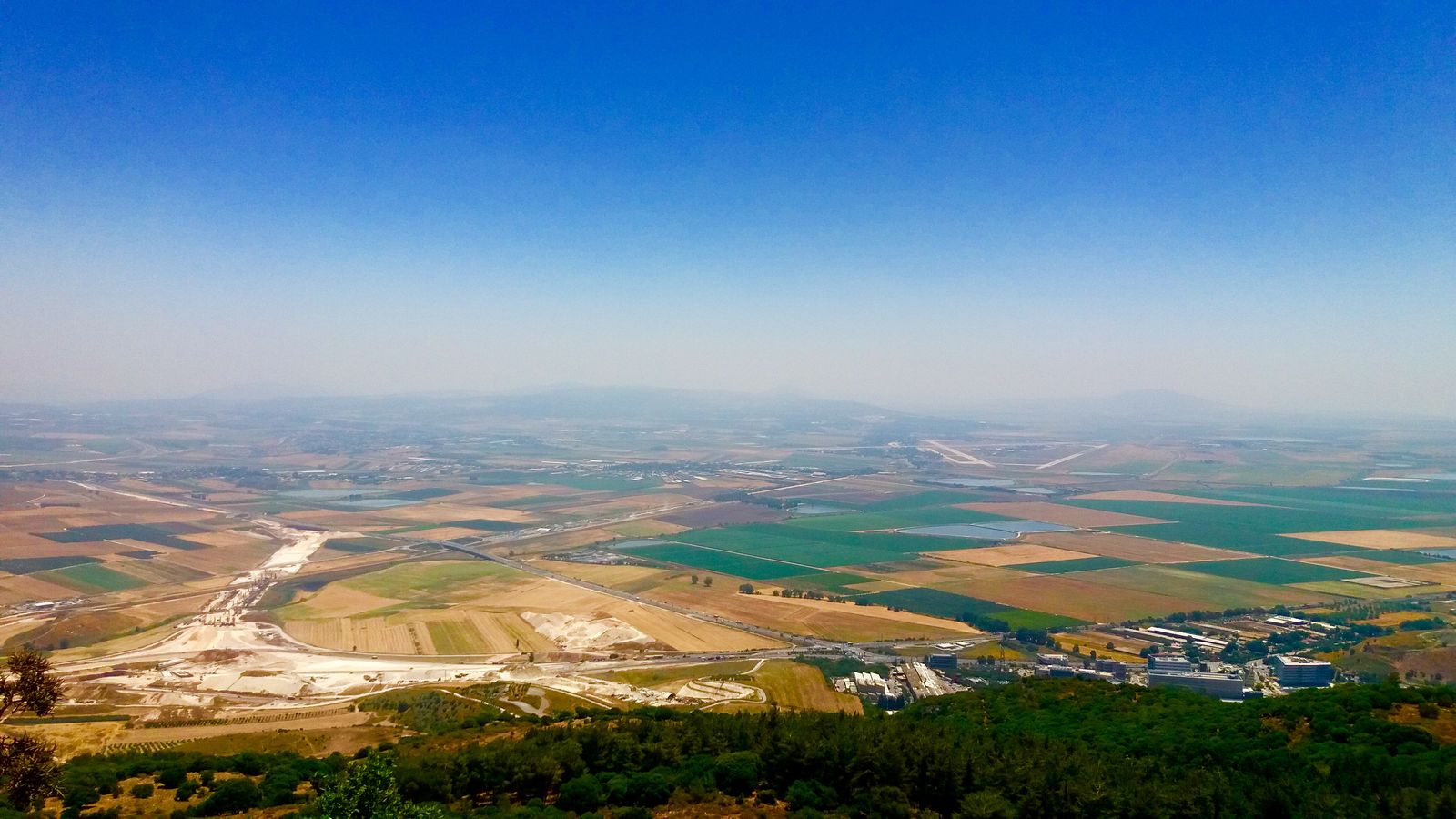
It’s a landlocked country in the east-central part of the Republic of South Africa. Slightly larger than Maryland and slightly smaller than Belgium, it exists among the clouds, thousands of metres above sea level. In the West the altitude varies from 1,500-1,800 metres above sea level. This is the country’s main agricultural zone and contains most of the population, as well as its capital, Maseru.
The rest of the country is composed of highlands that rise to 3,474 metres in the Drakensburg Range, which forms the eastern boundary with KwaZulu Natal. The highest peak in Southern Africa is located just inside Lesotho’s eastern border. Due to the elevation and southern landscape, as well as high winds, it’s actually one of the colder parts of Africa, 18 degrees is the average in the summer, and in winter it’s a little above 6.
But resources are still scarce. A consequence of both the harsh environment of the highland plateau, and the lack of agricultural space in the arid lowlands. In the highlands, most of the villages can only be reached on horseback, foot or light aircraft. It’s also dry, with only between 700-800 millimetres of precipitation per year.
But they still do get a surprising amount of snow in the winter time due to the altitude, which when it melts, feeds rivers and reservoirs making the country one of the larger fresh water sources in the region.
South Africa heavily subsidises the nation as a result of its small economy, just two billion dollars in GDP, with Lesotho’s currency even pegged to the South African Rand for stability. It’s described as a lower-middle income country, with water and diamonds being its two largest industries. The Lesotho diamond is one of the largest ever discovered and its water is sold to South Africa through the Lesotho Highlands Water Project.
Its main languages are English and Southern Sotho, a Bantu language, and its main ethnic group comprising over 99% of the population are called Basotho. It is 80% Christian, the majority of which are Roman Catholic, with the rest of the population believing in Islam, Hinduism and other indigenous beliefs.
It shares a lot of common points throughout its history with many African nations, that being of colonialism and instability. In the 1820s it was known as Basutoland, founded by king Moshoeshoe (pronounced Muh-shway-shway) who united various rebel groups in the region to repel challenges from the Zulus. It became a British protectorate and then a British colony in 1884 following a revolt against Cape Colonial rule, retaining a large amount of autonomy, and this is why English is still one of the main languages there today.
In the Second World War, 20,000 Sotho served in the British armed forces, fighting in North Africa, the Middle East and Italy. Most served in the African pioneer corps. By the 1950s the British empire was waning, and as political parties emerged in the nation there was a push towards total independence, which came in 1966 in the form of a parliamentary democracy and a constitutional monarchy. King Moshoeshoe II was the sovereign and Chief Leabua Jonathan from the Basotho National Party served as Prime Minister.
But unfortunately, Lesotho would fall foul of many post-colonial issues. From the mid-80s onwards it would face coups, infighting between military factions, and major instability, especially since the 1990s. The 2000s and 2010s would be largely characterised by politicians resigning, going into exile, threats of being overthrown and huge droughts across the nation endangering the people to famine.
As of 2022, the country is under the rule of Sam Matekane and the Revolution for Prosperity Party, formed only seven months before Matekane was elected Prime Minister. Matekane himself was a diamond magnate who turned to politics, platforming his campaign on ending the instability that has plagued the nation since it gained independence. He also aimed to turn around the nation’s economy, which is less than half the size of neighbouring Eswatini, as well as depoliticising the armed forces across the nation. The King today is Moshoeshoe II’s son, Letsie III.
Now, everything we’ve told you so far about Lesotho would lead you to believe it’s mostly like any other African country. From its geography, to its economy, to its history, nothing stands out from the norm. But Lesotho holds a dark secret. Peering just underneath the surface and you will find a nation with one of, if not the lowest life expectancy on earth.
And the big question is, what makes Lesotho such a deadly place to live?
Why is Lesotho’s Life Expectancy SO Low?
So, why does Lesotho have one of the lowest life expectancies in the world? The life expectancy of the average person in Lesotho as of 2024 is just 53 years old, although some metrics have it as high as 57. But according to the UN, at 15, the life expectancy in Lesotho is 47. For boys specifically, it is 44. Dead last in the entire world.
But what combination of factors are contributing to such a staggering statistic?
Well, when you look at the factors, at first it could be a bit confusing about how this conclusion was made. Take poverty for example. The poverty rate in Lesotho is really high, with over 90% of the population living on less than $10 per day as of 2017, but that’s not different to many countries in Africa and across the global south as a whole, and indeed many countries poorer than Lesotho have a higher life expectancy.
Similarly, its corruption rate is actually about average globally, and doesn’t seem out of place. Sure, just like poverty, it could be a lot better, but that’s not driving the life expectancy down to levels among the worst in the world.
As such a small country, there isn’t much land that can be used for agriculture. The nation as a whole is food insecure and malnutrition is commonplace, with its arid climate not much can grow and due to poverty, food and water are both hard to come by in many areas. But even this is similarly true in many nations across Africa, and many of them still have a higher life expectancy.
And this can go on and on. You can talk about the political instability of the nation, not getting the economy off the ground, the productivity, police brutality, human rights abuses, the lot. But none of these are significantly different from their peers, and yet, the life expectancy is so low.
So, what is it? What is the elephant in the room that is being ignored here? People in Lesotho don’t just die sooner than others for no reason.
Watch The Project Briefing
Open Video
Video Briefing
Lesotho: The Country with the Lowest Life Expectancy in the WORLD...
The answer actually isn’t being ignored at all. In fact, it’s very well-known in this part of the world. It’s just incredibly hard to do anything about it. It’s AIDS.
In Lesotho, the prevalence of HIV and AIDS is at epidemic levels across the country. And whilst authorities are starting to get a grip around it nowadays, it has devastated the life expectancy of Lesotho.
It is the number one cause of death for women in Lesotho. For men it’s tuberculosis, but AIDS is a close second. But TB can only take hold the way it does because HIV weakens the immune system. Many people in the world carry a latent strain of tuberculosis, but it’s basically harmless because your body is capable of seeing it off.
But when a person gets HIV, the body can’t fight it anymore. As a result, TB is the leading cause of death for people with AIDS. Both infections also make the other worse, so the co-infection brought on by the growth of HIV in Lesotho is actually the first and second leading causes of death in the nation.
And it is widespread. In 2014, the NIH estimated the HIV prevalence rate amongst 15-49-year-olds at 24.6%, with 37.6% of households in Lesotho directly affected by HIV. There are also more infections per 100,000 people than in most other countries, including neighbouring Namibia, Botswana and Eswatini.
And there are a lot of factors at play to tell us why Lesotho in particular suffers with HIV and AIDS to such an extent.
The first thing to point out is that it’s not just a local issue. Eswatini, South Africa, Botswana, Namibia, Zambia, and Zimbabwe all struggle with very high rates of HIV. Such an epidemic isn’t just confined to Lesotho, and a lot of the aggravating factors aren’t local to just Lesotho either but we’ll get into why it has been an ideal breeding ground for the disease until relatively recently.
Firstly, it’s impossible to talk about HIV without talking about the way it’s transmitted, and that’s mostly through unprotected sex. Sharing dirty needles as well as mother-to-child transmission are also factors, but sexual transmission is the primary driver of HIV.
First, we need to dispel a common myth. In Lesotho, there are cultural practices of having several sexual partners at once, even post-marriage, and whilst it may be assumed this helps the virus spread, research indicates that other factors matter far more, as there isn’t a higher rate of HIV in areas with more non-monogamous people. Much more important are things like contraceptive use, which across Lesotho is pretty low.
Another key factor is that sex education across the country has only seen an increase in recent years, an overwhelming majority of the schools in Lesotho are managed by churches, which means often people are practicing unsafe sex without even knowing they were doing anything wrong, because they’re simply not being taught the birds and the bees.
And then we need to talk about a very serious matter, and that is the gender-based violence which also upholds the HIV spread in Lesotho. Lesotho is a highly patriarchal society, as is common for Southern Africa, and violence against women, especially intimate violence, is common. The UN has reported in 2023 that 86% of Basotho women and girls at some stage in their lives had experienced gender-based violence.
Lesotho is reported as having the third highest rate of gender-based violence in the world. One documentary, on the world’s toughest prisons, asserted that half the inmates in Maseru central prison were there for such crimes. It remains a sticking point in Lesotho’s battle against the disease.
Due to the way women are treated, unequal power dynamics in relationships, often between younger women and older men, stop women from pursuing HIV-preventable behaviours like practicing safe sex, which further spread HIV. This is why more women have HIV than men in Lesotho, and when you combine this with the lack of contraception, children can be born with it.
But why then, if these factors are pretty similar across a lot of Lesotho’s neighbours, is Lesotho most affected by the drop in life expectancy?
The answer is geography. The nations surrounding Lesotho have better connected, as well as more healthcare facilities. Lesotho’s harsh geography and rural isolation makes it harder to combat HIV in rural communities.
Remember that TB is the leading cause of death for those with AIDS, Lesotho, according to 2022 WHO data estimates, has the highest prevalence of tuberculosis in the world. Meaning that these factors for being unable to access healthcare in isolated communities, especially in wintertime, is just as impactful on TB deaths as it is on AIDS deaths. And no other nation is having to deal with this combination as strongly as Lesotho is.
In other countries the flatter landscape makes healthcare more accessible to combat HIV and TB sooner in their infection cycles. Throw on top the malnutrition, the poverty, and the food insecurity to name a few and you have a recipe for people dying younger than they should.
We may have painted a pretty grim picture of Lesotho as a whole here, but that’s not the intention. Things are genuinely improving in relation to AIDS and TB across the country, they are much better than they were in the early 2000s when life expectancy was even lower. But it shows there is a long way for the nation to go.
The Future of Lesotho
Lesotho is at something of a crossroads when it comes to the future. There are a lot of reasons to be cautiously optimistic. The number of 15-49-year-olds with HIV reduced from 24.1% in 2015 to 19.3% in 2022. And that’s despite several hundred thousand more people being added to the population in that time.
According to UNAIDS, significant progress has been made to reach the 95-95-95 targets for AIDS in the country, that being a 95% rate of people with HIV knowing their status, are getting treatment, and that had a suppressed viral load. With the progress of this kind of push the eradication of new HIV infections in the nation by 2030. AIDS-related deaths are on the decline, and since 2010, new HIV infections are down 74%. These are all really good metrics which indicate a system that is working to push HIV out of Lesotho society for good, eventually.
And other indicators of the nation also show a cautiously positive upward trajectory. From an economic standpoint, inflation is easing, and the IMF predicts Lesotho’s GDP to continue to grow in the near term. A strong economy will help combat the issues with HIV, as it’s proven that widespread poverty increases the risk of contracting the disease.
Water royalties have started to roll in from the Highlands Water project selling water to South Africa, and so Lesotho is in a strong position to be able to turn that income into a positive for the whole nation. But a solid foundation is key for that, and those within the government are looking to amend their constitution to strengthen the nation against its biggest opponent since the country was founded, instability.
If it can keep the country’s economy growing, if it can improve the quality of life for its citizens, if it can structurally reform some of its institutions to become less prone to political instability; poverty will reduce, jobs will be created, food will become less scarce, technology and transport to assist the nation will become more widespread, as will healthcare and education, which will reduce the prevalence of HIV and TB further. And combining all of that together, you would expect life expectancy overall to increase.
But they need to not squander the opportunity. Real per capita incomes have shrunk by 10 percent since 2016, and unemployment and inequality remain high. There is social unrest among the citizens who feel they have been left behind and many still do not have basic necessities, people are still dying every day. The aim to stabilise the nation politically is a huge undertaking that could lead to more problems than it solves if not done right.
It’s vital to use the additional income the country has started to receive to lift the nation as a whole up and make sure that money isn’t wasted. But that’s much easier said than done. Especially with climate change starting to affect things, it will be an uphill battle to ensure the nation is food secure and agriculturally productive, both things that will ease the squeeze on the citizenry significantly.
Overall, Lesotho could go either way, into relative prosperity for its small status, or it could fall into instability, economic inequality and life expectancy might not rise all that much in the grand scheme. There’s no way of knowing for sure how things will pan out, but Lesotho has a stronger prospect for the future than many nations its size and on its continent. It faces significant challenges, but in overcoming them, it could become just like the diamonds it exports, honed under pressure into something beautiful.

Simon Whistler
Simon Whistler is one of YouTube's most prolific educational creators, with tens of millions of subscribers across his channels. Places is his expedition into the world's most remarkable locations — from cities carved from salt to islands nobody dares inhabit. He brings a researcher's rigour and a traveller's awe to every field note.
Frequently Asked Questions
What is the life expectancy in Lesotho?
The life expectancy of the average person in Lesotho as of 2024 is just 53 years old, although some metrics have it as high as 57. According to the UN, at 15, the life expectancy in Lesotho is 47. For boys specifically, it is 44.
What are the main languages spoken in Lesotho?
The main languages spoken in Lesotho are English and Southern Sotho, a Bantu language.
What is the primary cause of death for women in Lesotho?
The primary cause of death for women in Lesotho is AIDS.
What is the primary cause of death for men in Lesotho?
The primary cause of death for men in Lesotho is tuberculosis, but AIDS is a close second.
What is the current political situation in Lesotho?
As of 2022, Lesotho is under the rule of Sam Matekane and the Revolution for Prosperity Party. Matekane, a former diamond magnate, became Prime Minister with a platform focused on ending instability and improving the economy.
What are the main economic activities in Lesotho?
The main economic activities in Lesotho are water and diamonds. The Lesotho Highlands Water Project sells water to South Africa, and the country is known for its diamond mining, including one of the largest diamonds ever discovered.
What is the prevalence of HIV in Lesotho?
In 2014, the NIH estimated the HIV prevalence rate amongst 15-49-year-olds at 24.6%, with 37.6% of households in Lesotho directly affected by HIV.
What are the main factors contributing to the low life expectancy in Lesotho?
The main factors contributing to the low life expectancy in Lesotho include the high prevalence of HIV and AIDS, tuberculosis, poverty, malnutrition, political instability, and limited access to healthcare, especially in rural and isolated areas.
What is the current economic outlook for Lesotho?
The IMF predicts Lesotho’s GDP to continue to grow in the near term. Inflation is easing, and the country is receiving water royalties from the Lesotho Highlands Water Project, which sells water to South Africa.
What is the current status of HIV in Lesotho?
The number of 15-49-year-olds with HIV reduced from 24.1% in 2015 to 19.3% in 2022. Significant progress has been made to reach the 95-95-95 targets for AIDS in the country, indicating a system working to push HIV out of Lesotho society.
Sources
- Original Places video: Lesotho: The Country with the Lowest Life Expectancy in the WORLD…
- Hero image source by Saga1111 / openverse, by-sa.