

Cities
The peculiar logic behind how metropolises grow, die, and reinvent themselves.
72 articlesLatest Cities
The Region That Can't Stop Poisoning Itself
The World Health Organisation calls it the greatest mass poisoning in human history. How India's arsenic belt became a nationwide catastrophe—and why it's been so hard to fix.

The Endless Ills of Yekaterinburg.
From imperial fortress to Soviet industrial powerhouse to cosmopolitan hub, Yekaterinburg embodied Russia's contradictions. Now Putin's war is dragging this once-vibrant city back into darkness.

Life Sucks in the Coldest City on Earth.
Discover how residents of Yakutsk, Russia survive in the world's coldest major city, where temperatures drop to -64°C and daily life requires extraordinary adaptations.
Ghana is Simply Destroying Itself.
How illegal gold mining known as galamsey is contaminating Ghana's water, destroying forests and farmland, and threatening the country's very survival.
The World's Most Controversial Museum.
Buried in Central Tokyo near the Imperial Palace lies the Yūshūkan museum, a place so egregious it doesn't just get protested or vandalised—it gets bombed. Discover why this shrine-museum complex sparks international outrage.
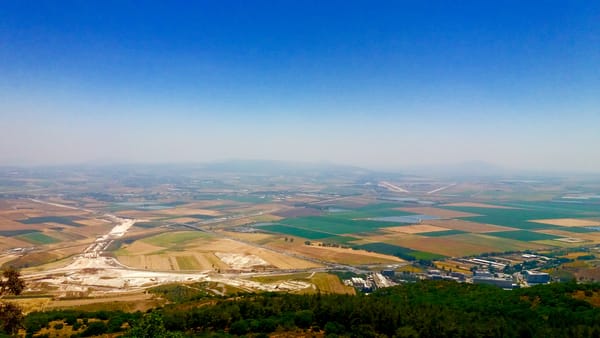
Mount Everest is Way More Dangerous Than You'd Think.
From the lethal "death zone" above 8,000 metres to ruthless weather, hidden crevasses, and deadly human overcrowding, discover why Mount Everest claims lives in ways most people never imagine.
More in Cities
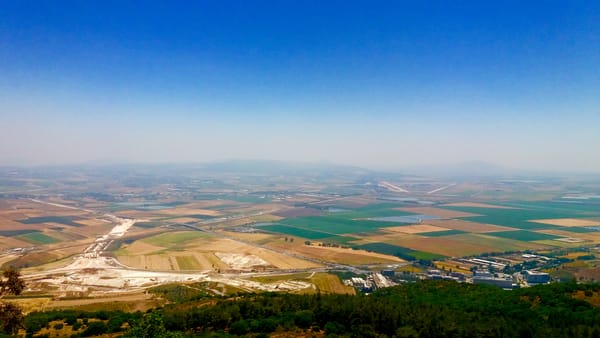
Semipalatinsk: The USSR's Eerie Nuclear Test Site
Explore the dark history of the Semipalatinsk Nuclear Test Site in Kazakhstan, where the Soviet Union conducted 456 nuclear tests, exposing 1.5 million people to radiation with consequences that persist today.
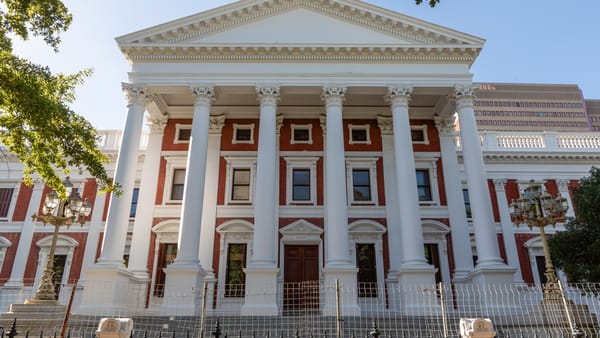
South Africa: the World's Most Unequal Place...
How South Africa became the world's most unequal nation, from the 1995 Rugby World Cup victory to present-day economic disparity, land ownership debates, and political tensions.
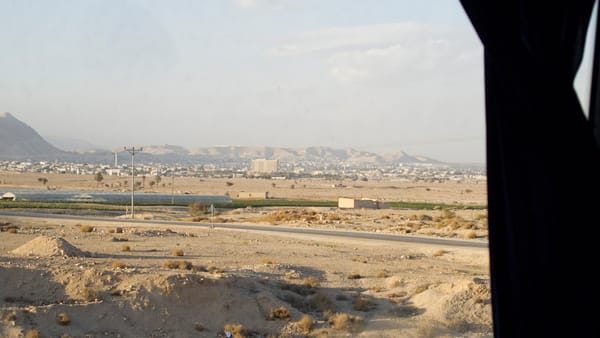
Jericho: The Oldest City on Earth?
Discover Jericho, one of the world's oldest continuously inhabited cities with 11,000 years of history, biblical significance, and modern-day challenges in the West Bank.
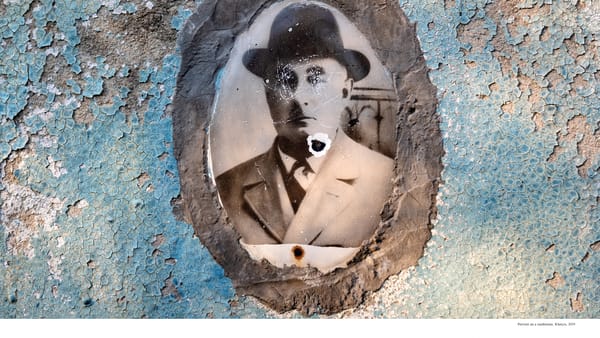
Karachay: The Deadliest Lake in the World
Discover Lake Karachay, the most polluted lake on Earth, where 30 minutes of exposure delivers a lethal dose of radiation. Learn about the Soviet nuclear waste dumping and the 1957 Kyshtym Disaster.
El Camino De La Muerte: Bolivia's Road of Death
Discover the terrifying history of La Carretera de los Yungas, Bolivia's "Death Road"—a 56km mountain pass that claimed 200-300 lives yearly and remains one of the world's most perilous routes.
The Boötes Void: The Biggest, Emptiest Thing in the Universe
Discover the Boötes Void, a 330 million light-year expanse of near-nothingness that changed our understanding of cosmic structure, and explore the theories behind this mysterious region of space.